
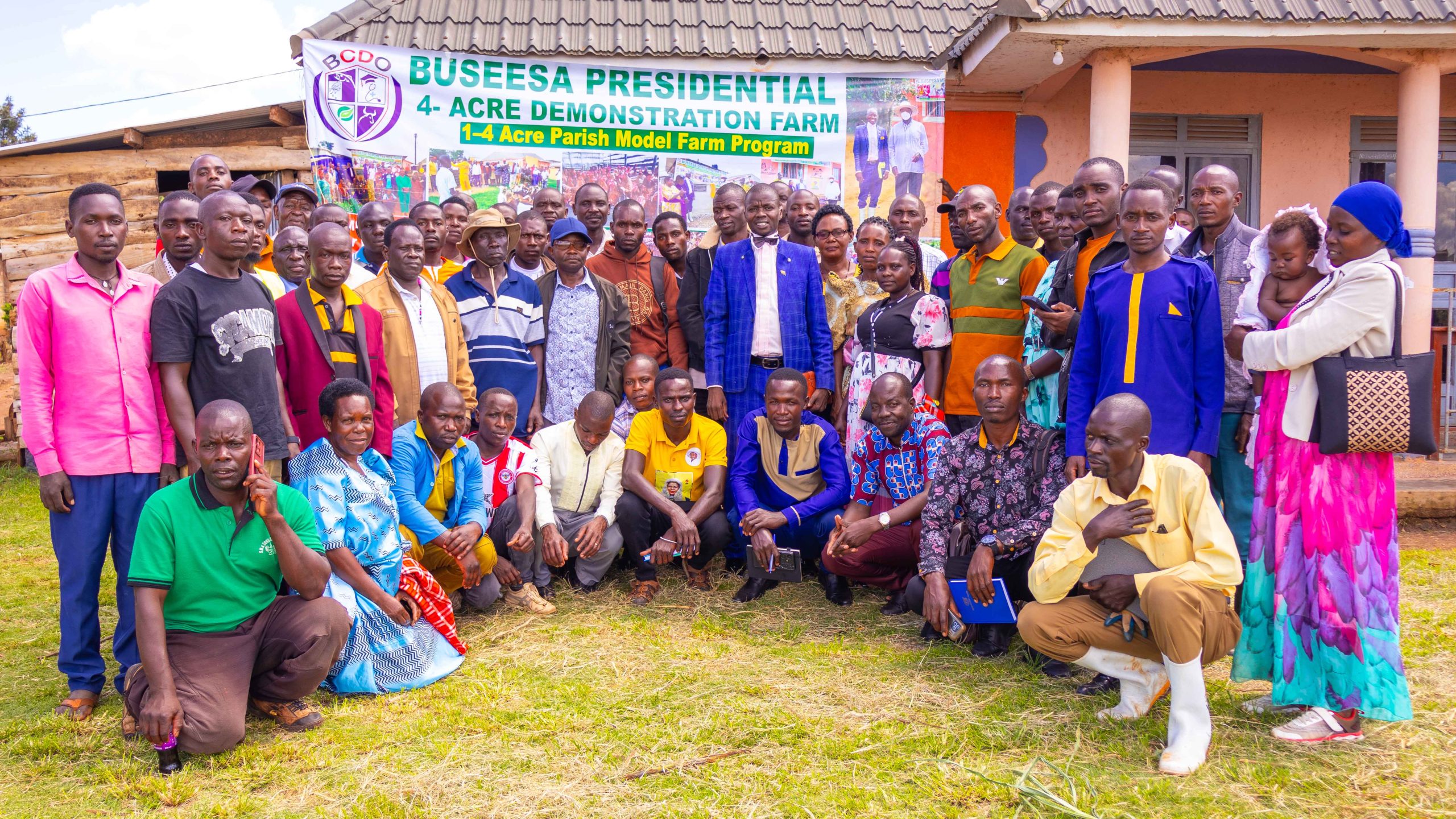
During this phase, farmers were not only profiled, but also trained in essential skills that are changing the way they farm and manage their livelihoods.
One of the key areas of focus was record keeping. Farmers are now tracking their daily activities—expenses, production, and sales. This has helped them understand their progress, make better decisions, and identify opportunities for growth.
In addition, new farming practices were introduced. Farmers have constructed improved pig sties, allowing for better hygiene, controlled feeding, and faster growth of pigs.
Poultry keeping has also improved, with farmers adopting structured systems for feeding, vaccination, and egg production. What was once informal is now more organized and productive.
Urban farming techniques have been embraced as well. Farmers are now maximizing small spaces by growing vegetables in sacks and vertical gardens—making farming possible even in limited areas.
Cattle management has not been left behind. Farmers are applying better feeding methods, maintaining cleaner environments, and monitoring milk production more effectively.
Phase Two is not just about collecting information—it is about building capacity, improving practices, and empowering farmers with knowledge.
This phase tells a story of growth, resilience, and transformation—where farmers are becoming more informed, more organized, and more productive every day.